Graded unit by unit in front of you, or assayed and paid on measured platinum, palladium and rhodium. You choose which.


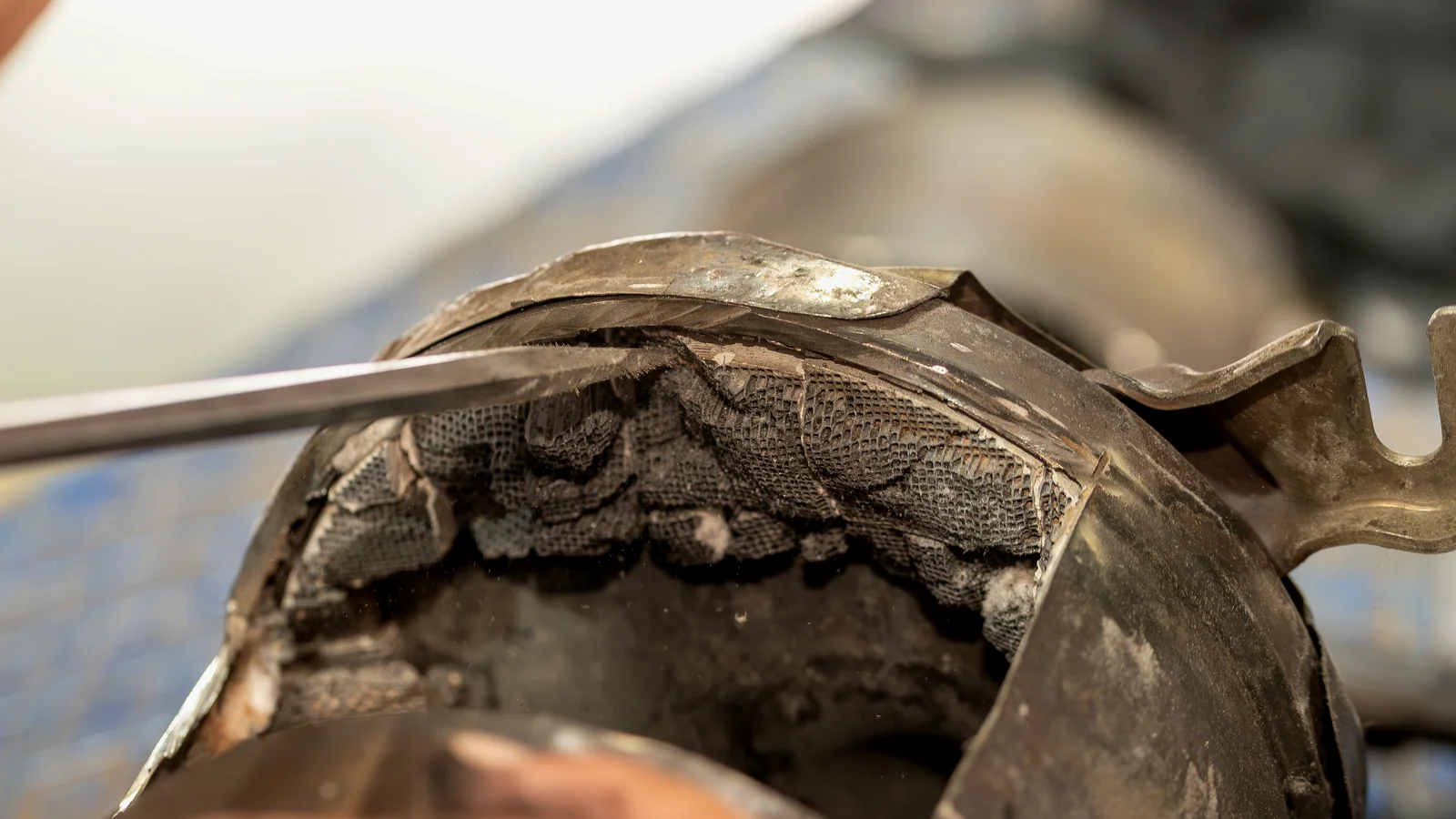
A catalytic converter’s value is not in its steel shell but in the honeycomb substrate inside it. That substrate carries a washcoat holding platinum, palladium and rhodium. Those three metals are what convert exhaust gases, and they are what a catalytic converter is paid on.
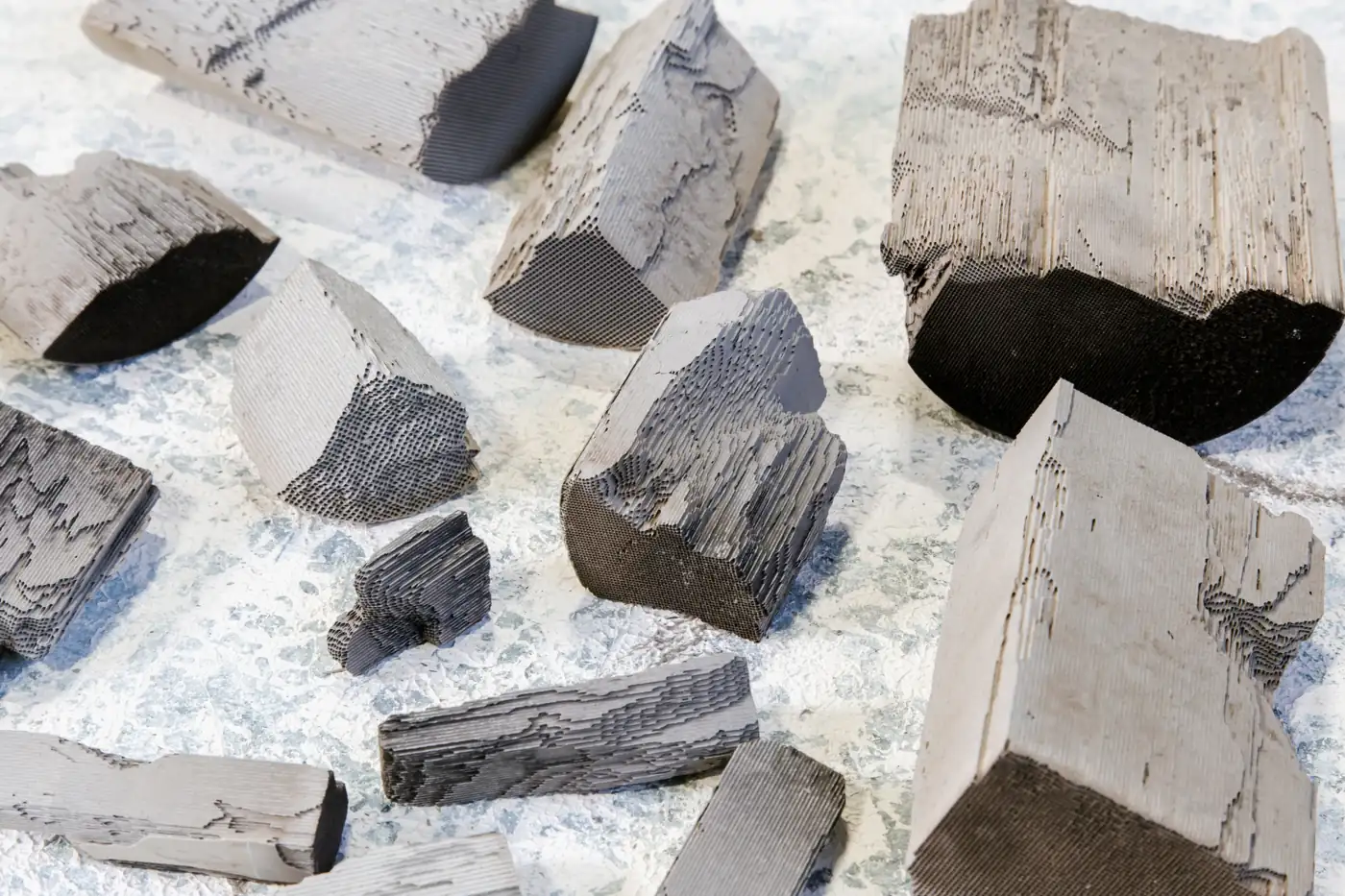
Loading varies by manufacturer, engine size and emissions standard, so two converters of identical size can differ by a wide margin in what they return. A 2008 small-displacement unit and a 2008 truck unit from the same brand are not comparable. This is why identification comes before pricing, and why converters are quoted per unit or per part number rather than by weight alone.
The steel shell is scrap steel and is priced as scrap steel. A converter quoted on gross weight is being priced on the one part of it that carries no precious metal. TDA Midwest Corp prices on substrate — what the unit historically assays at, or what your specific load measures at after analysis.
Catalytic converter prices are built from four inputs, and each one is measurable. Nothing here is a judgment call about how a unit looks. If you want to know why one converter paid more than another, these four numbers are the whole answer, and we will show you ours on request.
Catalytic converter recycling at TDA Midwest runs on two routes, and the right one depends on your volume and how long you can wait. Both are open to you on every load – you are not locked into one because of how you sold last time.
Your converters are counted and graded unit by unit, in front of you, at our facility or at yours on a scheduled collection. Each one is identified, assigned to a grade and priced at the current rate, so you see the count, the grades and the total before anything is signed. Payment is issued the same day.
Assay pays you on what your material actually contains. Instead of a visual grade, the converters are homogenized, and your settlement is calculated from measured platinum, palladium and rhodium. Up to 80% of estimated value is advanced once the load is weighed and sampled, so you are not waiting on the full cycle.
The nine steps are identical for every lot, whether it is one pallet or a full trailer. Preparation — decanning, milling, homogenizing and sampling — happens at our facility, and suppliers are welcome to attend it. Analysis is done in our own laboratory.
The load arrives, seller documentation is recorded and the material is logged.
Gross weight recorded, then net once the shells are removed.
Substrate separated from the steel shell.
Substrate reduced to a uniform powder.
The powder is blended so any sample drawn represents the whole lot.
Representative samples are drawn, and a portion of every lot is retained.
Prepared samples are run to calibrated standards for platinum, palladium and rhodium content.
You receive weights, moisture, sample results and calculated metal content.
The balance is paid on the report, less the advance already issued.
TDA Midwest Corp buys catalytic converters whole or decanned, OEM and aftermarket, in any condition including crushed and partially broken units. If you are unsure what a unit is, send a photo of the shell and the code.
The most common construction we receive, and the standard across the large majority of passenger vehicles.
A thin metal foil honeycomb instead of ceramic, usually a Kanthal-type alloy. Harder to process, but they carry real metal value. Many buyers discount foil units heavily or refuse them. We price them properly.
DPF units from diesel cars, trucks and equipment. Values vary widely with whether the unit is catalysed and how it was used, so send part numbers.
Already decanned material, whole or crushed. Loose ceramic goes through assay rather than grading, since there is no shell left to identify a grade from.
Large converters from commercial trucks, buses, agricultural and construction equipment. Almost always worth assaying rather than grading.
Smaller units from motorcycles, powersports and small engines. Low value individually, worth collecting in volume.
Quick answers on what we buy, how grading works and when you get paid.
That depends on the part number, the substrate weight and current metal prices, which is why no accurate figure can be given without identifying the unit first. Send us the code stamped on the converter shell, or a clear photo of it, and TDA Midwest will price it from our catalog and come back the same business day.
Direct purchase grades your converters visually, unit by unit, at the current rate for each grade, and pays you on the day. Purchase by assay processes and analyzes the material and pays on measured platinum, palladium and rhodium content, with up to 80% advanced once the load is weighed and sampled. Assay takes longer and reflects actual content.
An assay typically takes up to 3 business days for smaller lots and up to 14 business days for larger ones, measured from when the material is processed rather than from arrival. You are not waiting on the full cycle for payment, because the advance of up to 80% of estimated value is issued once the load is weighed and sampled.
Yes. Loose ceramic is bought through the assay process rather than by grade, since there is no shell left to identify the unit from. Send TDA Midwest the approximate weight and we will quote on estimated content, then settle on the assay report once the material has been sampled and analyzed.
TDA Midwest Corp buys from registered businesses only. For a first transaction we need your business registration, the applicable state license, and identification for the person delivering the material. Each load is then documented with seller details and origin records, which we retain and make available to law enforcement on lawful request.
Yes, though aftermarket units carry substantially less precious metal than OEM equivalents and are priced accordingly. TDA Midwest will tell you which of your units are aftermarket rather than quietly pricing them as OEM and adjusting elsewhere. Part of the training we offer suppliers is learning to tell them apart before the load is built.
Both. TDA Midwest runs scheduled collection routes across the Midwest and arranges freight nationwide for qualifying volumes, and you can ship in from anywhere in the continental US. You can also deliver to 471 NE Industrial Drive, Aurora, Illinois by appointment, where direct-purchase loads are graded and paid while you wait. Call to book a delivery window.
Send your part numbers or a photo of the shell. We come back the same business day.
Send a photo and we will identify it. If your team is sorting converters by eye, we will come out and train them — identification, OEM versus aftermarket, and board grades.
TDA Midwest Corp buys and processes end-of-life catalytic converters and secondary metals for auto recyclers, dismantlers and fleets across the United States. Sample preparation and analysis in our own laboratory. Registered businesses only.
© 2026 TDA Midwest Corp. All rights reserved.